Katakana Stroke Order
Learn Katakana chart with stroke order. Master the correct stroke order for all Katakana characters with animated guides. Perfect for beginners learning Japanese writing fundamentals. Online Katakana stroke order practice in detail page.
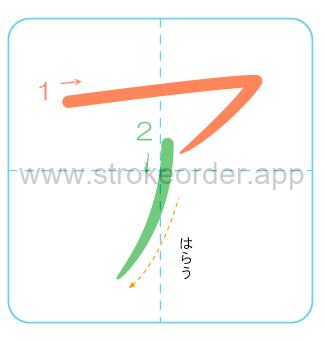
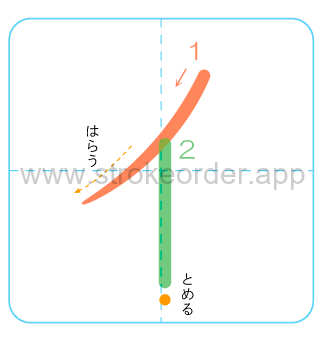
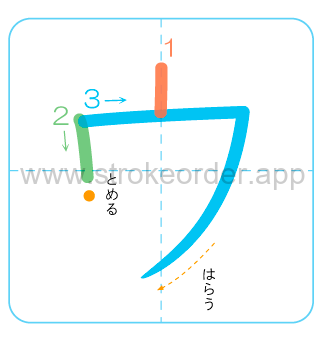
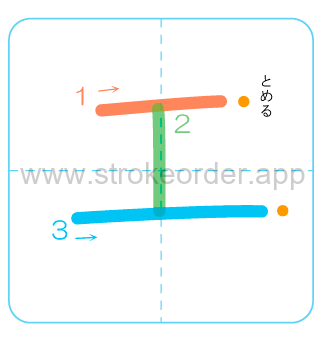
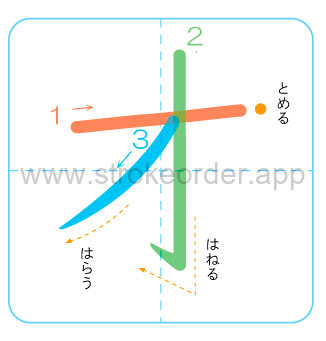
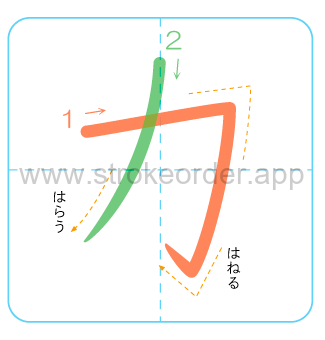
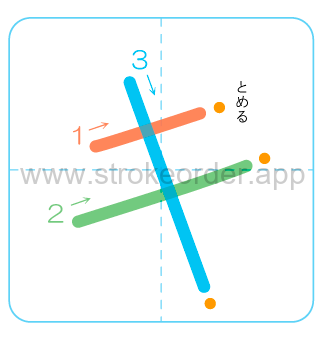
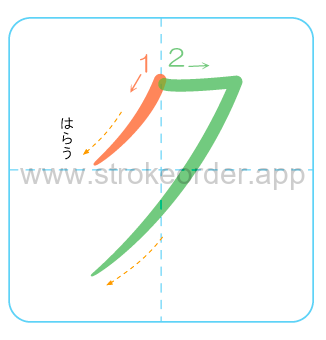
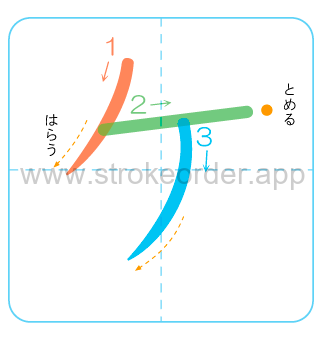
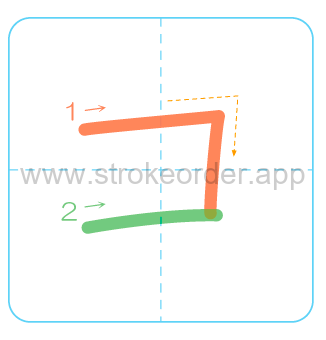
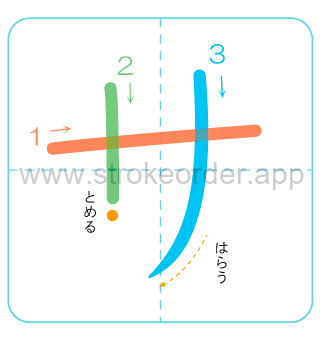
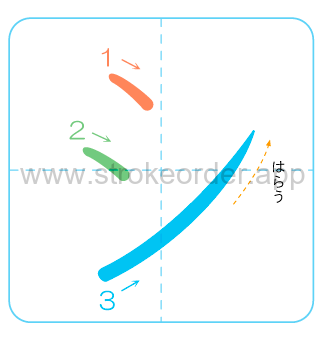
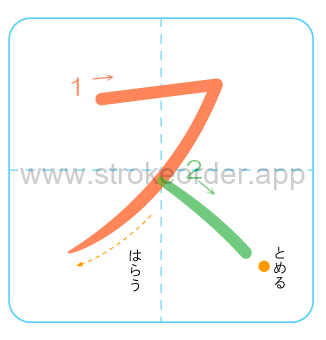
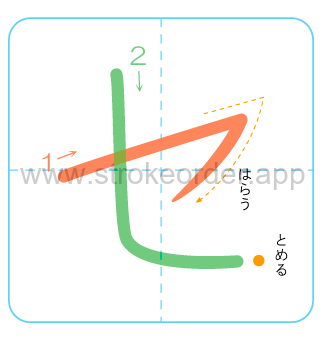
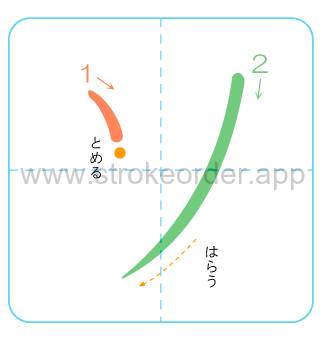
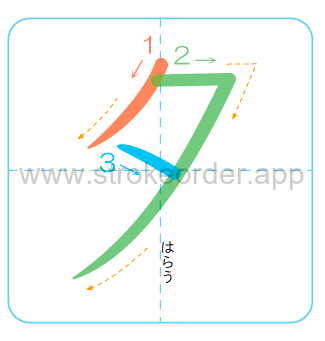
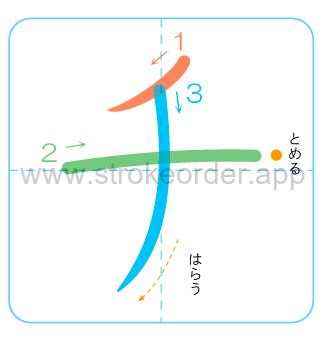
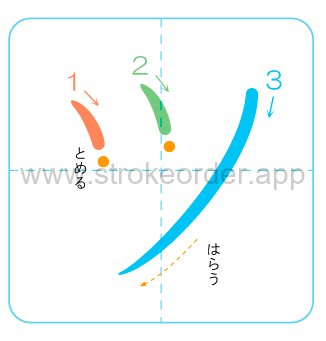
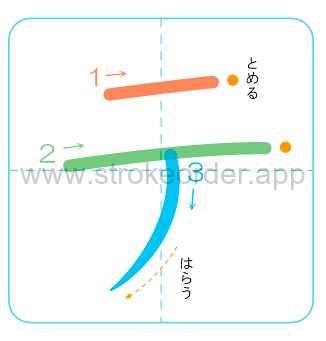
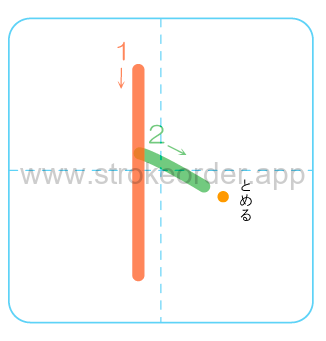
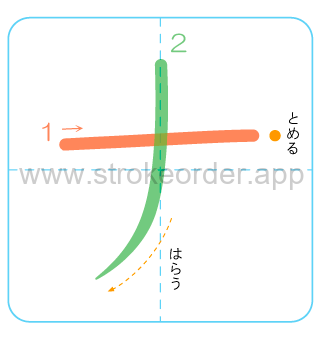
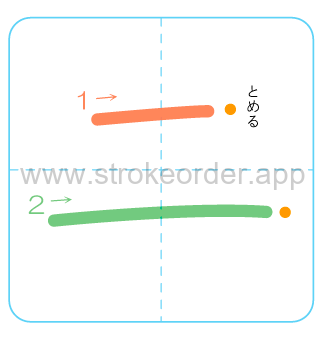
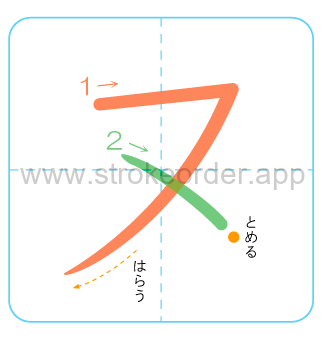
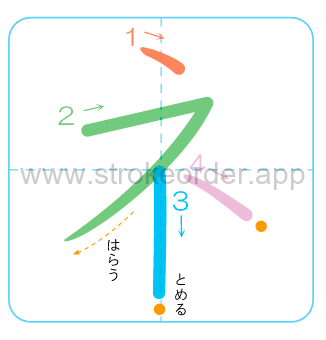
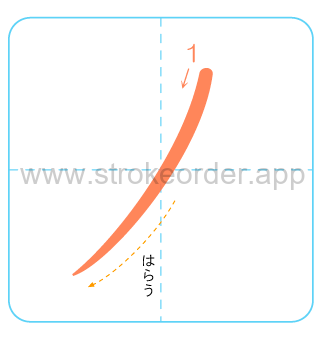
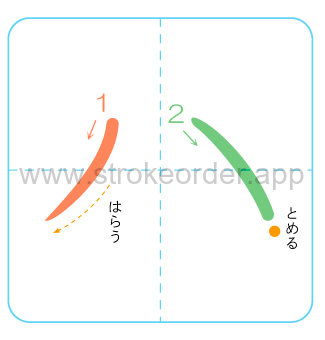
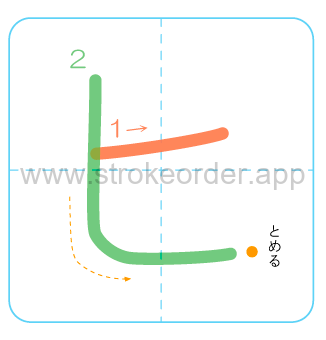
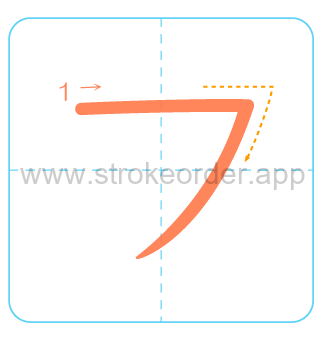
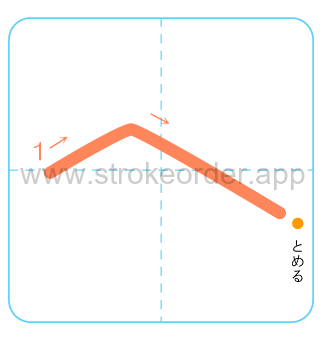
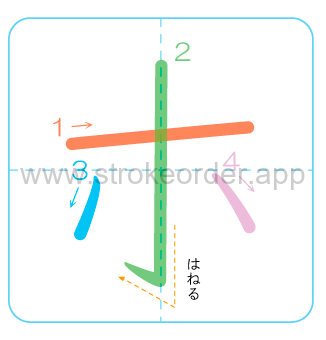
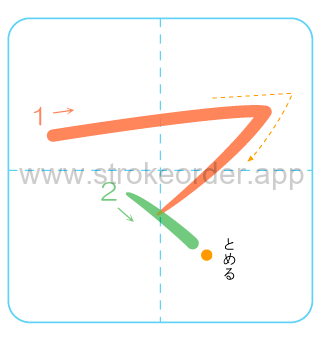
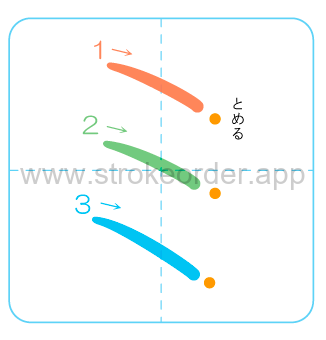
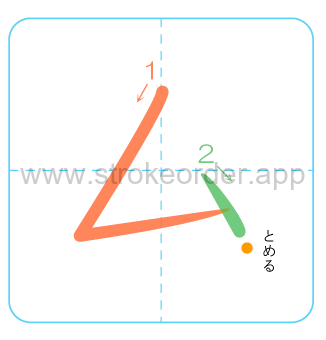
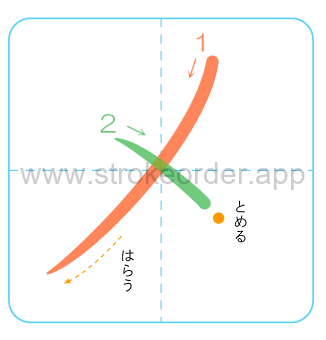
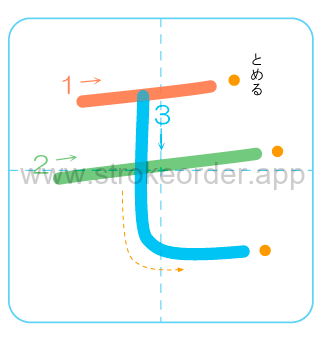
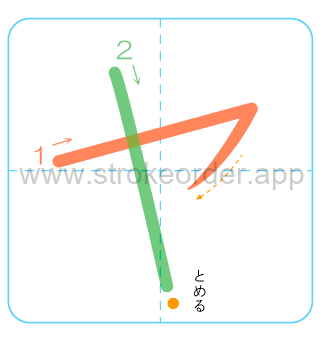
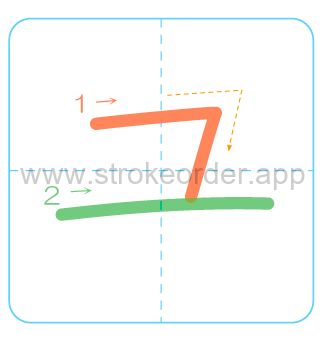
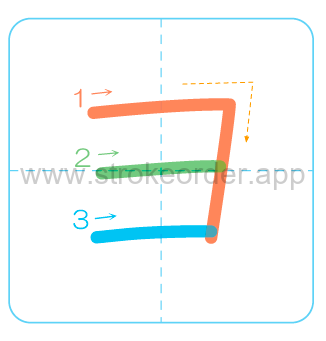
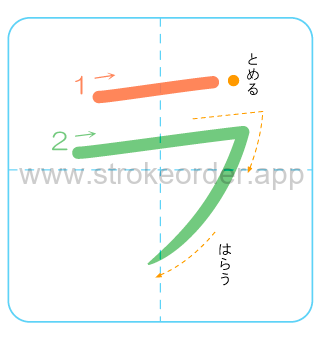
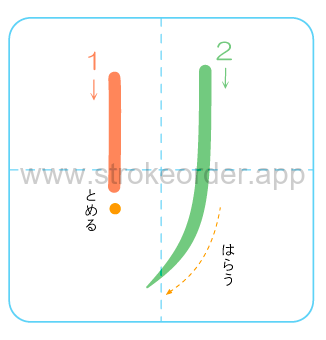
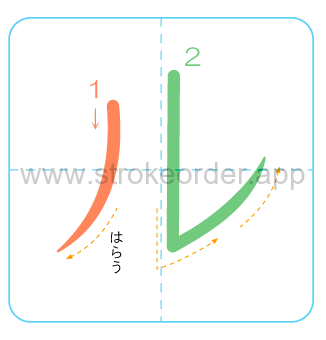
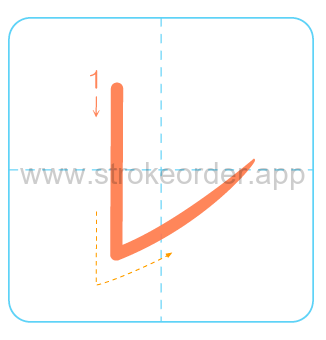
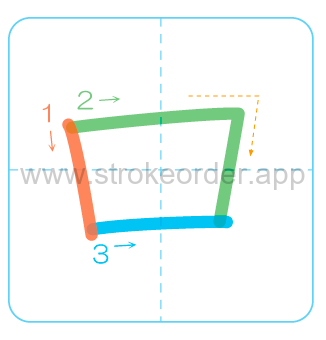
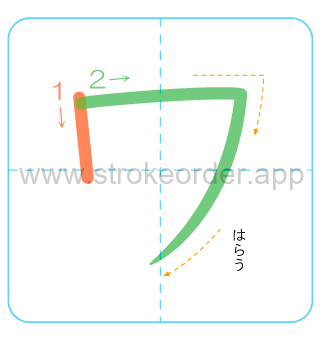
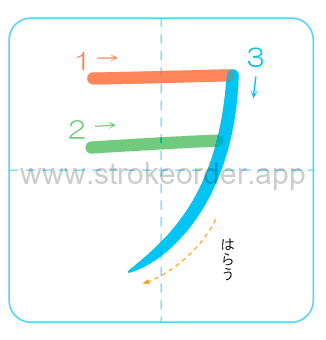
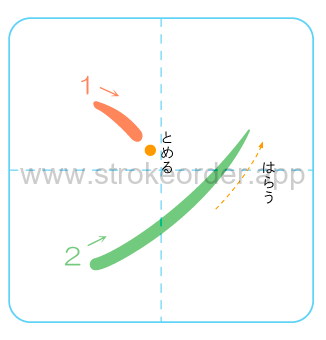
Complete Katakana Chart (Gojūon)
Below is the complete katakana chart arranged in the traditional gojūon order. Click any character to view its stroke order diagram and practice worksheet.
What is Katakana?
Katakana (カタカナ) is one of the three writing systems used in Japanese, alongside hiragana and kanji. Like hiragana, katakana consists of 46 basic characters representing the same syllables. However, katakana characters have a distinctly angular, sharp appearance compared to the curved strokes of hiragana. Katakana is primarily used for foreign loanwords (gairaigo), scientific names, onomatopoeia, and emphasis — similar to how italics are used in English. If you see angular characters on a Japanese sign, menu, or product label, you are reading katakana.
Common Words in Katakana
Katakana is used to write thousands of foreign-origin words in Japanese. Here are some of the most common English words written in katakana that you will encounter in everyday Japanese.
Frequently Asked Questions about Katakana
How many katakana characters are there?
There are 46 basic katakana characters, the same number as hiragana. They represent identical sounds but have a different angular appearance. Additional katakana can be formed using dakuten (voicing marks) and handakuten, and there are also extended katakana for representing foreign sounds not native to Japanese.
What is katakana used for?
Katakana is primarily used for foreign loanwords (gairaigo), such as コーヒー (coffee), テレビ (television), and アメリカ (America). It is also used for scientific names of plants and animals, onomatopoeia, emphasis (similar to italics in English), and foreign names. Any word imported from another language is typically written in katakana.
What is the difference between hiragana and katakana?
Hiragana and katakana represent the same set of sounds but serve different purposes and look different visually. Hiragana has curved, flowing shapes and is used for native Japanese words and grammar. Katakana has angular, sharp strokes and is used for foreign loanwords, scientific terms, and emphasis. Learning both is essential for reading and writing Japanese.
How do I write katakana?
Each katakana character has a specific stroke order that should be followed. Start with the basic 46 characters in gojūon order, practicing the correct stroke direction and count for each. Use stroke order diagrams and writing practice sheets to build muscle memory. Katakana strokes tend to be shorter and sharper compared to hiragana.
When is katakana used instead of hiragana?
Use katakana for foreign loanwords (like パン for bread, from Portuguese), foreign names, scientific terminology, onomatopoeia (sound words), and for emphasis in advertising or manga. Hiragana is used for native Japanese words, verb endings, and grammatical particles. If a word came from outside Japan, it is almost always written in katakana.
Should I learn katakana or hiragana first?
Most Japanese teachers recommend learning hiragana first since it appears more frequently in everyday Japanese writing. However, katakana is extremely useful for reading signs, menus, and product names in Japan. Once you know hiragana, katakana becomes easier to learn because the sound system is identical.