Hiragana Stroke Order
Learn hiragana chart with stroke order. Master the correct stroke order for all hiragana characters with animated guides. Perfect for beginners learning Japanese writing fundamentals. Online hiragana stroke order practice in detail page.
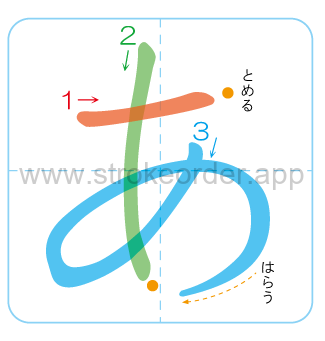
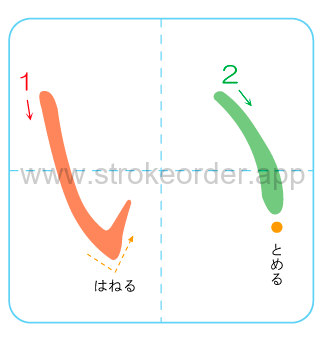
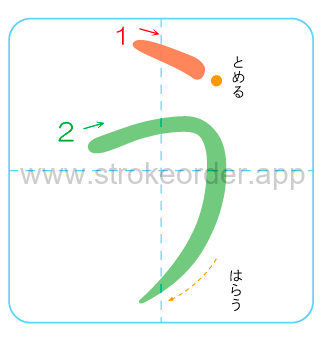
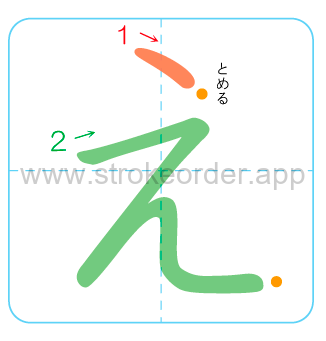
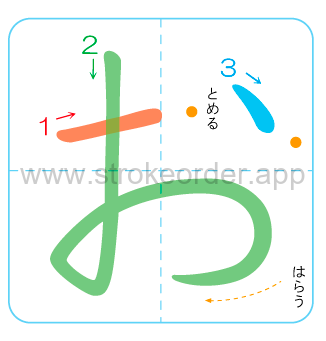
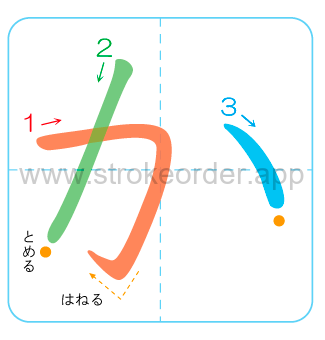
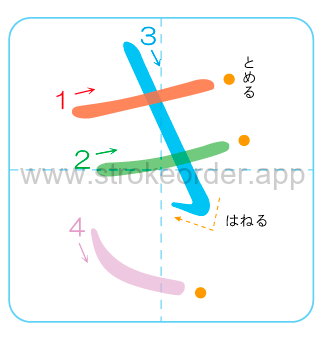
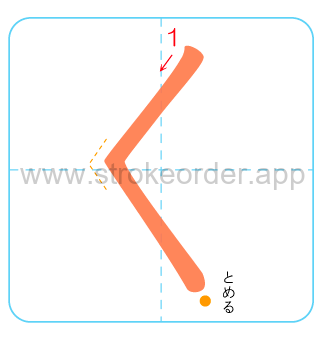
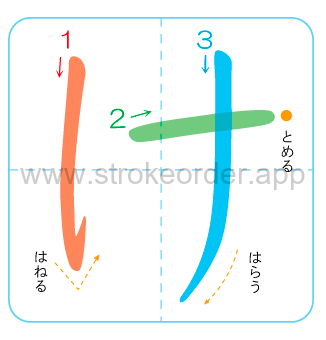
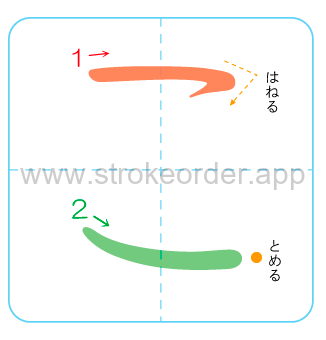
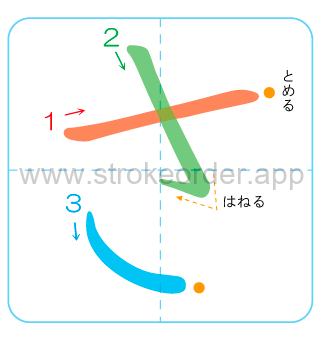
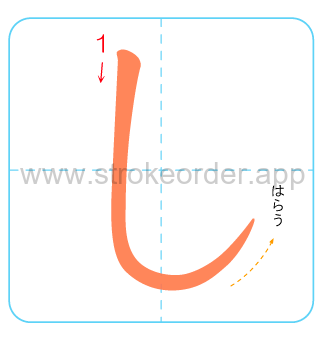
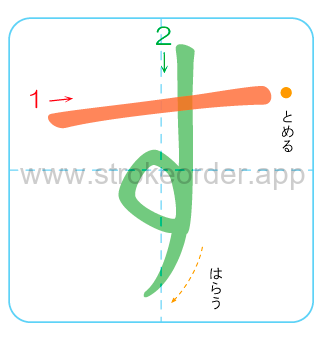
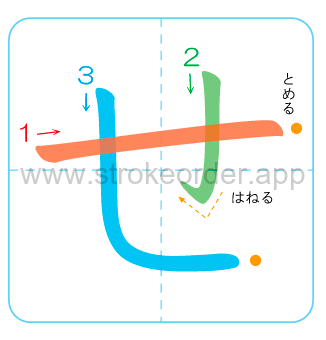
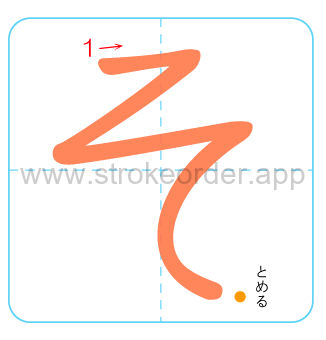
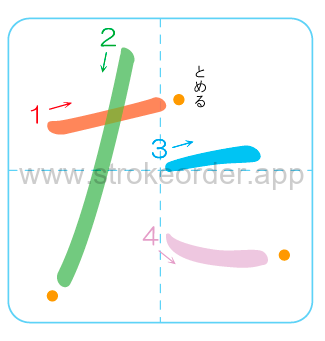
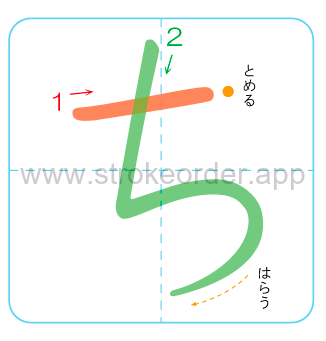
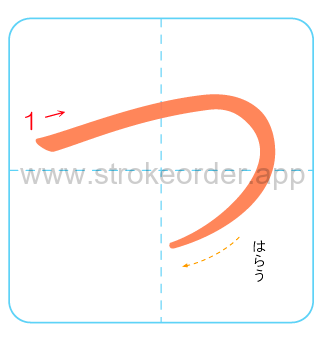
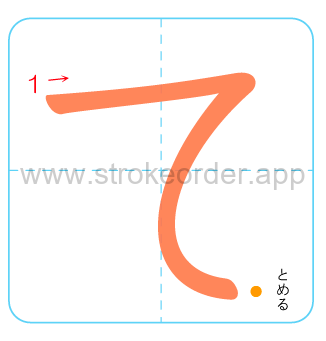
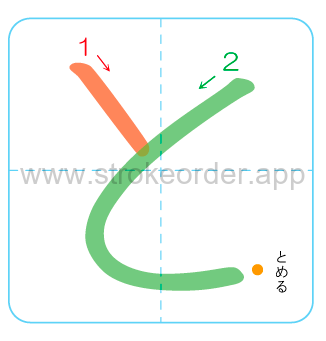
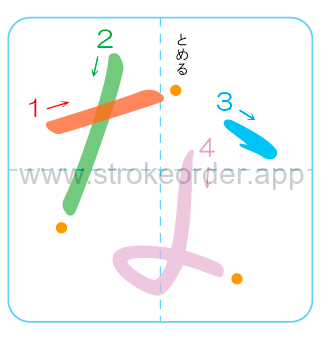
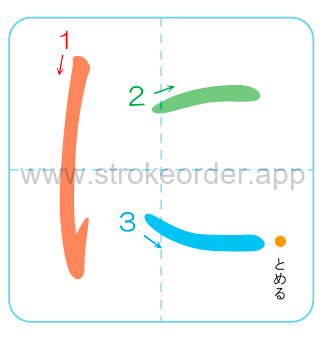
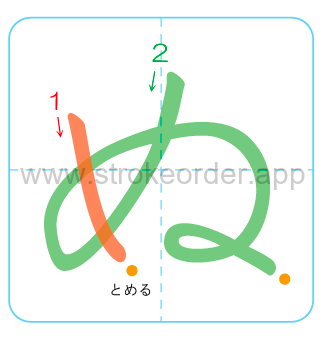
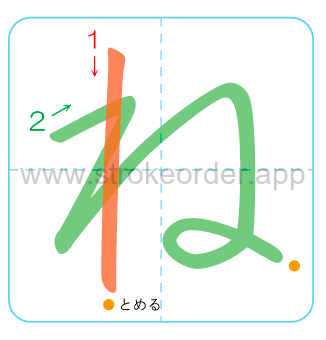
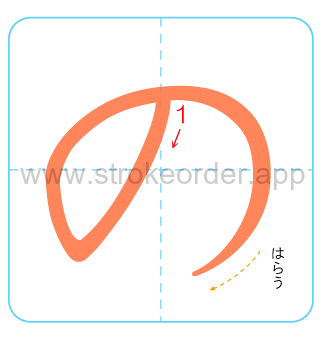
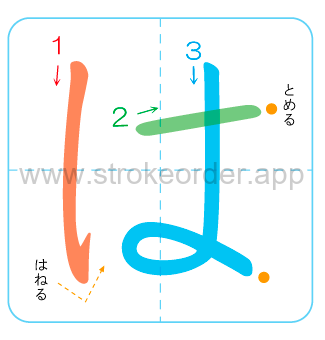
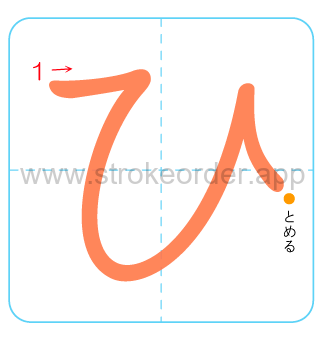
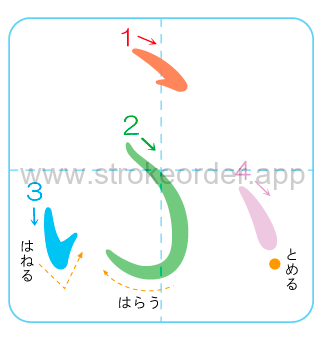
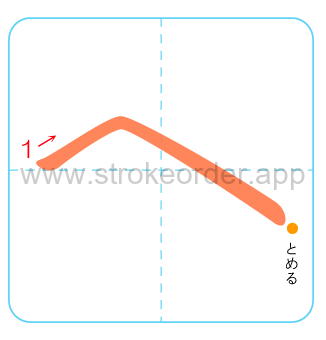
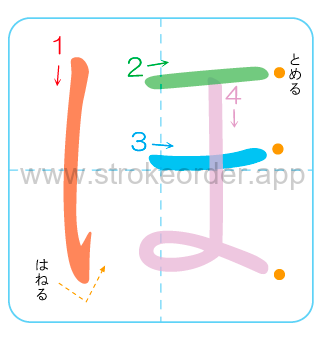
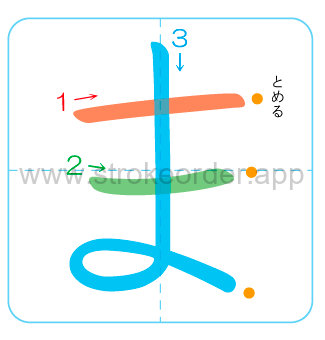
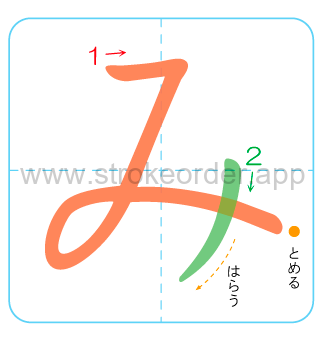
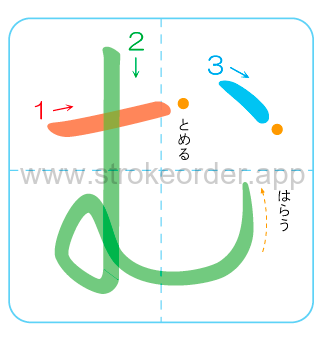
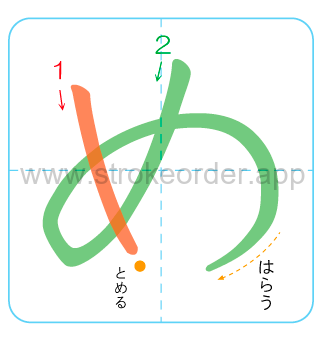
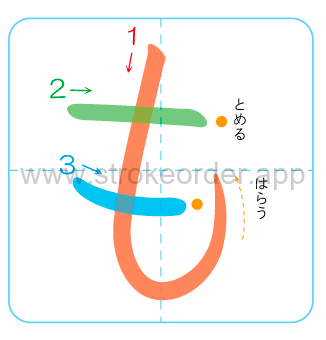
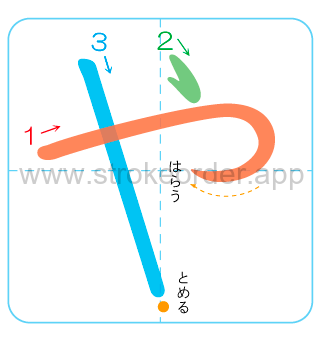
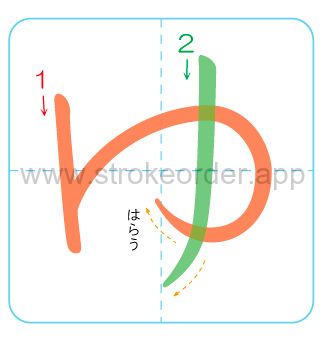
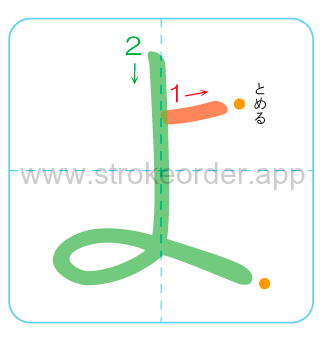
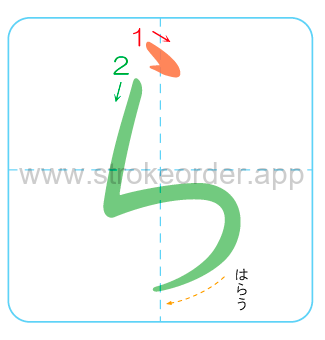
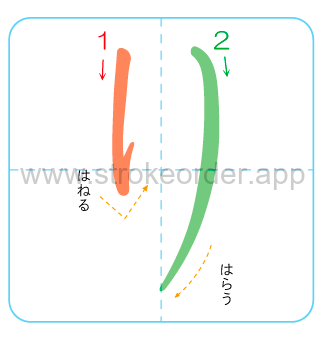
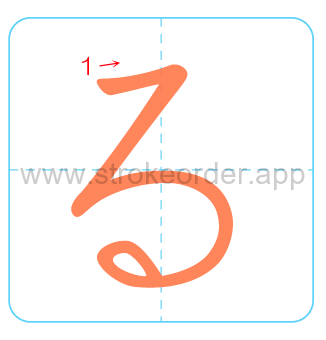
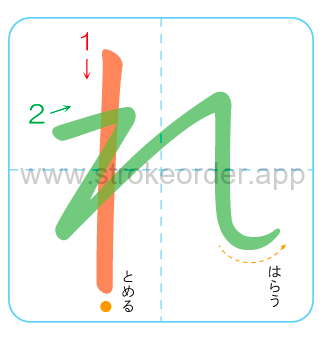
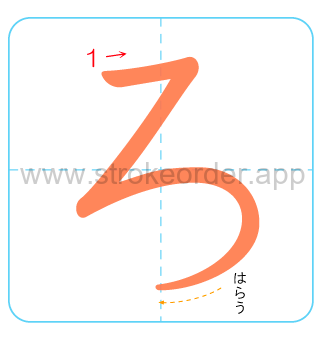
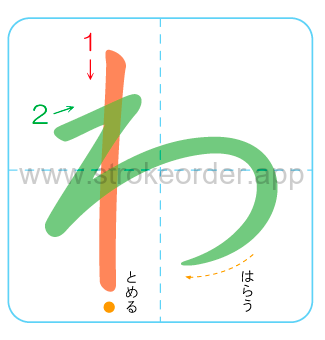
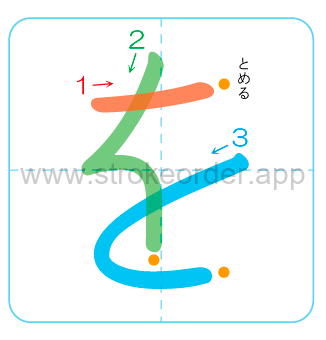
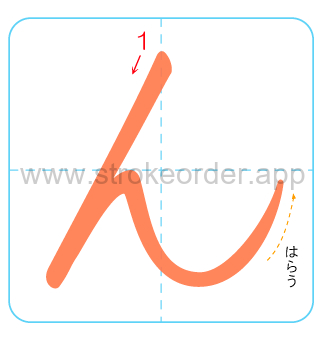
Complete Hiragana Chart (Gojūon)
Below is the complete hiragana chart arranged in the traditional gojūon order. Click any character to view its stroke order diagram, animated writing guide, and practice worksheet.
What is Hiragana?
Hiragana (ひらがな) is one of the three writing systems used in the Japanese language, along with katakana and kanji. It consists of 46 basic characters, each representing a syllable rather than a single sound. Hiragana is the foundation of Japanese writing — it is used for native Japanese words, grammatical particles, verb conjugations, and adjective endings. Every Japanese child learns hiragana first, making it the essential starting point for anyone studying Japanese.
Why Stroke Order Matters
Learning the correct stroke order for each hiragana character is just as important as learning the character itself. Proper stroke order ensures your writing is legible and looks natural to native Japanese readers. It also improves writing speed and helps when transitioning to more advanced calligraphy. Characters written with incorrect stroke order often appear unbalanced or awkward, even to untrained eyes. Following the standard stroke order from the beginning builds muscle memory that makes writing Japanese feel effortless over time.
Frequently Asked Questions about Hiragana
How many hiragana characters are there?
There are 46 basic hiragana characters in the Japanese writing system. These include 5 vowel sounds (a, i, u, e, o) and 40 consonant-vowel combinations arranged in the gojūon (fifty sounds) chart. Additional characters can be formed using dakuten (voicing marks) and handakuten, bringing the total to 71 distinct sounds.
What is hiragana used for?
Hiragana is used for native Japanese words, grammatical particles, verb and adjective endings (inflections), and function words. It is the first writing system Japanese children learn and is essential for reading and writing Japanese. Hiragana is also used as furigana (reading aids) above kanji to show pronunciation.
How long does it take to learn hiragana?
Most learners can memorize all 46 hiragana characters in 1 to 2 weeks with daily practice. However, mastering correct stroke order and writing them naturally takes about 1 to 2 months of consistent practice. Using flashcards, writing practice sheets, and online quizzes can significantly speed up the learning process.
Should I learn hiragana or katakana first?
You should learn hiragana first. Hiragana is used more frequently in everyday Japanese writing for grammar particles, verb endings, and native words. Once you are comfortable with hiragana, learning katakana (used mainly for foreign loanwords) becomes much easier since they share the same sound system.
What is the difference between hiragana and katakana?
Hiragana is used for native Japanese words and grammatical elements, while katakana is primarily used for foreign loanwords, scientific names, and emphasis. Both represent the same set of sounds but have different visual appearances — hiragana characters are more curved and flowing, while katakana characters are more angular and sharp.
Why is stroke order important in hiragana?
Correct stroke order ensures that characters are written legibly and efficiently. Following the proper stroke order makes your writing look natural to native Japanese readers, helps with writing speed, and is essential for more advanced calligraphy. Many Japanese dictionaries also organize characters by stroke count, making proper stroke order a practical skill.
How to Use
Our website includes stroke diagrams and writing animations for every Japanese hiragana, katakana, and kanji character. Browse the homepage or search for specific characters to find their stroke diagrams and animations. We offer an online practice feature on every hiragana and katakana detail page. You can practice writing on a template with your mouse or stylus, and repeat the exercise as many times as you need. Try our hiragana keyboard to type in Japanese, or use the romaji to hiragana converter to translate roman letters into hiragana.
Stroke Order Guide
Learning Japanese starts with writing hiragana and katakana. Understanding stroke order helps you master Japanese writing. These characters are simple - with practice and repetition, you can master their writing. See our hiragana vs katakana comparison to understand the differences between the two writing systems.
Hiragana Stroke Order Practice by Word
Click on any character to view detailed stroke information. You can also practice writing hiragana or katakana using your mouse as a pen on the practice template. And repeat the exercise as many times as you need. Looking for katakana words? See our complete list of English words in katakana or use the English to katakana converter.
About Us
Strokeorder.app helps English speakers learn Japanese and Chinese writing. We provide stroke order guides for characters, numbers, and letters. Our easy-to-understand demonstrations help beginners master writing faster.
Our Mission: Our vision is to become a helpful assistant for Japanese and Chinese language learners. We want to make writing practice simple and effective for everyone.
Contact US: Have suggestions or feedback? We would love to hear from you. Click here to contact us.